
Selling Cannabis Legally in South Africa:Understanding the Cannabis for Private Purposes Act and the Future of the Industry
- Jackie Turner
- Jun 3
- 4 min read


Introduction
South Africa has become one of the most progressive countries in Africa regarding cannabis law reform. However, despite widespread belief that cannabis has been fully legalized, the reality is more complex.
The Cannabis for Private Purposes Act, 2024 allows adults to privately use, possess, and cultivate cannabis under specific conditions. What many people do not realize is that the Act still prohibits unauthorized cannabis dealing and commercial sales.
This guide explains the Cannabis for Private Purposes Act, how cannabis can legally be sold in South Africa, and what entrepreneurs need to know before entering the cannabis industry.
Understanding the Cannabis for Private Purposes Act
The Cannabis for Private Purposes Act, 2024 was signed into law to give effect to the Constitutional Court ruling that recognized the right of adults to privately use and possess cannabis.
Official Sources:
Cannabis for Private Purposes Act, 2024 (Government Gazette): https://www.parliament.gov.za/storage/app/media/Acts/2024/Act_7_of_2024_Cannabis_for_Private_Purposes_Act.pdf
Law Library South Africa: https://lawlibrary.org.za/akn/za/act/2024/7/eng@2024-06-03
According to the Act, adults may:
Use cannabis privately.
Possess cannabis for private purposes.
Cultivate cannabis for private use.
Share cannabis with another adult without payment or compensation.
The Act specifically states that it aims to respect privacy rights while continuing to prohibit unauthorized dealing in cannabis.
What Is Legal in South Africa?
Private Use
Adults over 18 years may:
Use cannabis in private.
Possess cannabis within prescribed limits.
Grow cannabis for personal use.
Share cannabis with another adult without receiving payment.
The Act also allows possession in public places, but cannabis may not be consumed in public.
Protection of Children
The Act places strong emphasis on protecting children.
It is illegal to:
Supply cannabis to a child.
Allow a child to use cannabis.
Store cannabis where children can easily access it.
Use children in cannabis-related trade or distribution.
What Remains Illegal?
Many people assume cannabis is now fully legal. This is incorrect.
The following activities remain illegal:
Selling cannabis without authorization.
Buying cannabis through unauthorized channels.
Advertising cannabis for sale.
Commercial cannabis dealing without a licence.
Public cannabis consumption.
Driving while impaired by cannabis.
The Act defines "dealing" broadly and includes selling, buying, importing, exporting, advertising, cultivating for sale, and facilitating sales. Unauthorized dealing can result in imprisonment of up to 10 years.
Can You Open a Cannabis Dispensary?
Currently, South Africa does not have a general recreational cannabis retail licensing framework similar to Canada or certain U.S. states.
This means there is currently no standard licence that allows businesses to openly sell recreational cannabis to the public.
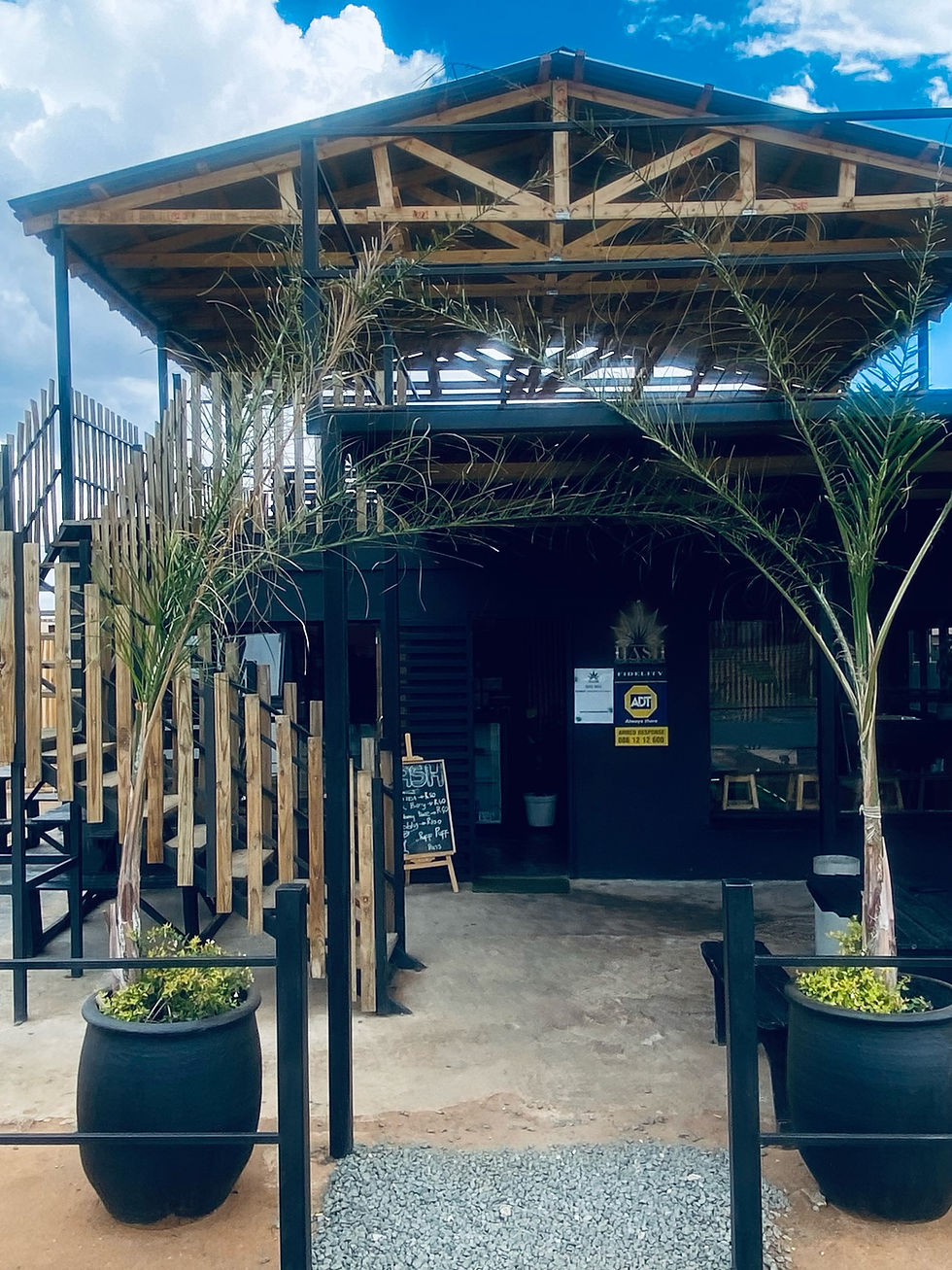
Many businesses that market themselves as cannabis dispensaries operate in legally uncertain areas and should seek professional legal advice before trading. Community discussions and legal commentary continue to highlight that no general "dispensary licence" currently exists.
How Can Cannabis Be Sold Legally?
Commercial cannabis activities may be conducted when specifically authorized through licences or permits issued under national legislation.
Examples include:
Medicinal cannabis cultivation.
Medicinal cannabis manufacturing.
Research and development.
Pharmaceutical production.
Export operations.
Industrial hemp activities.
The Act specifically recognizes activities conducted under permits or licences issued under other national legislation.
The Role of SAHPRA
The primary regulator for medicinal cannabis activities is the South African Health Products Regulatory Authority (SAHPRA).
Official Website:https://www.sahpra.org.za
SAHPRA oversees:
Cultivation licences.
Manufacturing licences.
Quality assurance requirements.
Security compliance.
Pharmaceutical-grade cannabis production.
Official SAHPRA Guideline:https://www.sahpra.org.za/document/guideline-for-cultivation-of-cannabis/
Requirements for a Commercial Cannabis Licence
According to SAHPRA guidelines, applicants may need:
Business Requirements
Registered company.
Tax compliance.
Financial records.
Corporate governance structures.
Security Requirements
CCTV surveillance.
Access control systems.
Alarm systems.
Inventory management.
Secure storage.
Quality Requirements
Standard Operating Procedures (SOPs).
Quality Management Systems.
Record keeping systems.
Product traceability.
Compliance audits.
Facility Requirements
Approved cultivation facilities.
Controlled environments.
Inspection readiness.
Compliance with health and safety standards.
SAHPRA notes that applicants must demonstrate adequate quality, security, and operational systems before licences are considered.
How Much Does a Cannabis Licence Cost?
The licence application fee is only a small part of the overall investment.
Businesses often spend significantly more on:
Facility construction.
Security systems.
Compliance programmes.
Staffing.
Quality management systems.
Legal and consulting services.
For many medicinal cannabis projects, startup costs can run into millions of rand before production begins.
Cannabis Clubs and Membership Models
Cannabis clubs have emerged throughout South Africa, often operating through membership structures.
However, cannabis club models remain legally complex. Entrepreneurs should not assume that a membership fee automatically makes cannabis distribution lawful. The legal framework continues to evolve, and professional legal advice is strongly recommended.
Future of Cannabis in South Africa
Government is still developing regulations relating to possession limits, cultivation limits, and broader implementation of the Cannabis for Private Purposes Act.
In 2026, the Department of Justice published draft regulations proposing possession and cultivation limits as part of the implementation process. Official updates can be monitored through:https://www.gov.za/news/media-statements/justice-and-constitutional-development-draft-regulations-under-cannabis
Many industry experts believe South Africa may eventually introduce broader commercial cannabis legislation, but at present the focus remains on private adult use rather than recreational retail sales.
Conclusion
The Cannabis for Private Purposes Act represents a major milestone in South Africa's cannabis reform journey. Adults may now legally use, possess, and cultivate cannabis for private purposes, but commercial sales remain highly regulated.
For entrepreneurs, the safest approach is to understand that private use rights do not automatically create a legal cannabis retail market. Any business considering cultivation, manufacturing, exporting, or medicinal cannabis activities should ensure full compliance with SAHPRA requirements and seek professional legal guidance before operating.
As regulations continue to evolve, South Africa's cannabis industry is expected to create new opportunities in agriculture, medicine, research, tourism, education, and entrepreneurship.

Comments